General News
10 July, 2025
Flashing lights, slow down
FROM this week, Victorian motorists are now required to slow down to 40km/h when passing any incident response vehicle displaying flashing lights of any colour, expanding protections to a broader group of roadside workers.
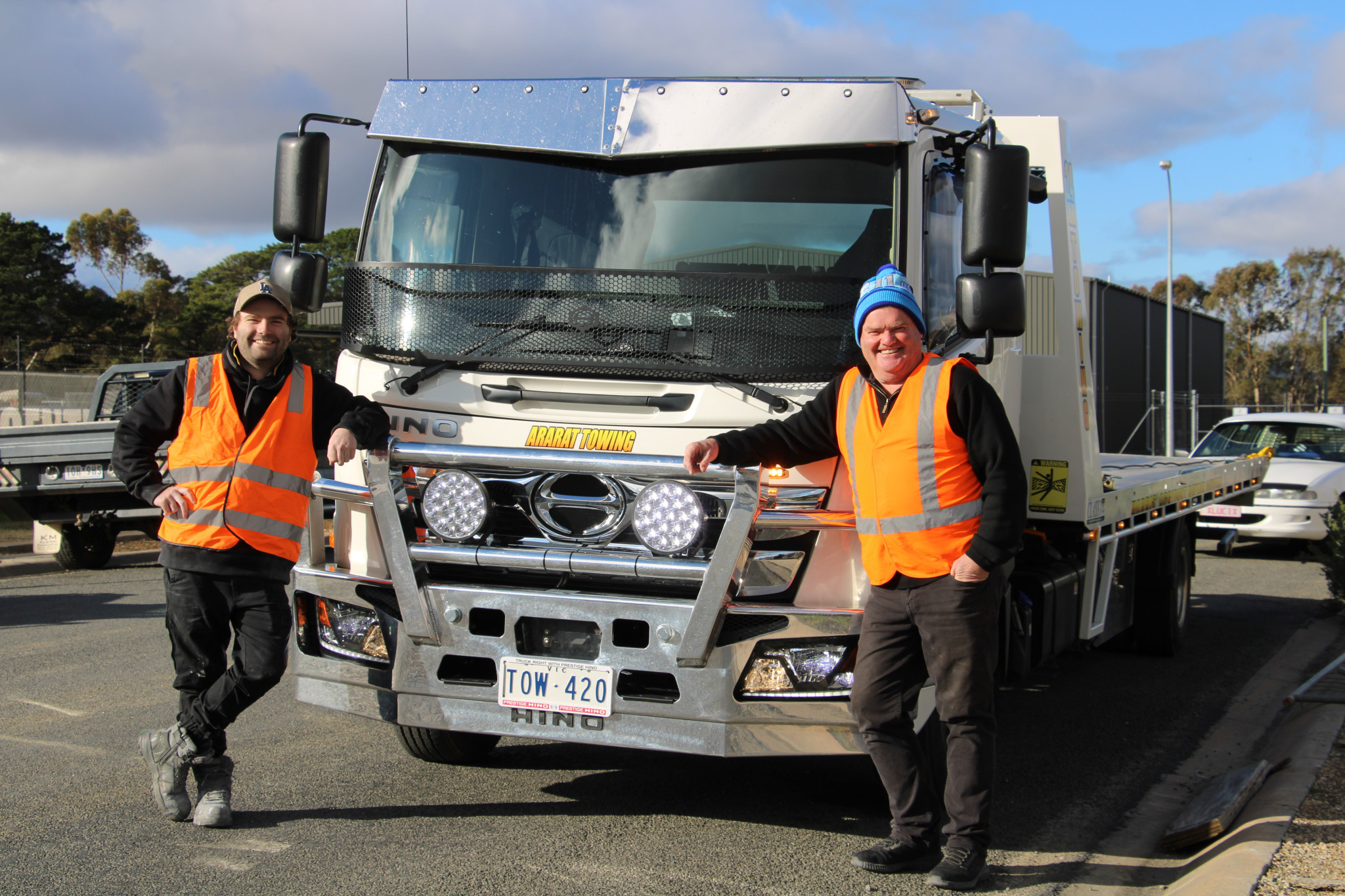
Previously limited to police, emergency services, and VicRoads vehicles, Road Rule 79A has now been updated to include accident towing, breakdown towing, roadside assistance vans, and incident response vehicles.
The change follows a two-year campaign to improve safety for emergency roadside workers and has been welcomed across the sector.
RACV General Manager Automotive Services Makarla Cole praised the announcement.
“We’re grateful that the Victorian State Government has made this change to improve the safety outcomes and working conditions of roadside and incident response workers.”
Ms Cole said the rule change reflects the reality that roadside workers face the same risks as emergency responders.
“Now that we have had an important and much-needed update to 79A, it’s up to Victorians to do their part and ensure these vital workers can do their jobs without fear of harm and get home to their families safely.
Victoria's emergency roadside workers and tow truck drivers are often the first and only responders to an incident or breakdown and are exposed to the same risks to other responders, such as police and paramedics.”
For businesses like Harris Accident Repair Centre, the news has come as long-awaited relief.
Owner Ron Harris said the change was overdue.
“We always kept asking the questions at meetings in Melbourne, about when they are going to change it. It's finally come, so it's a relief for us.
We’ve been waiting for it, so it’s just going to be so much better.
Hopefully, this is going to protect our guys when we go out at night,” he said.
Mr Harris said the danger on highways is very real.
“People just don't slow down. As of this week, they will, whether it's going to be policed, we don't know.”
Mr Harris’ concerns come from ongoing safety issues when attending numerous accidents.
“We are on the side of the road and they’re doing 110 past us, and you notice often when they do go past, they will swerve because they are staring. We’ve got our safety gear on, but they still go fast around us.
You take three steps back and you can get cleaned up,” said Mr Harris. Previously, to reduce the risk, Mr Harris implemented changes to how his team works, requesting his employees to remove vehicles from the area to reduce the risk.
“If you're off the beaten track, you can do it quite comfortably without rushing.”
He hopes drivers will adjust quickly.
“You should be slowing down anyway. It’s going to take a while, and whether they police it or you get a warning to start with, it is still a good thing,” he said.
Read More: Ararat