General News
27 January, 2026
Looking after each other in severe heat
THERE’S nothing more Australian than people looking out for one another. As we head into periods of high heat this summer, it’s important that we all stay aware, stay prepared, and support those around us. Australia’s heatwaves are becoming hotter, longer, and starting earlier in the season. Extreme heat can be dangerous, and more people in Australia die from heatwaves than from any other natural hazard.
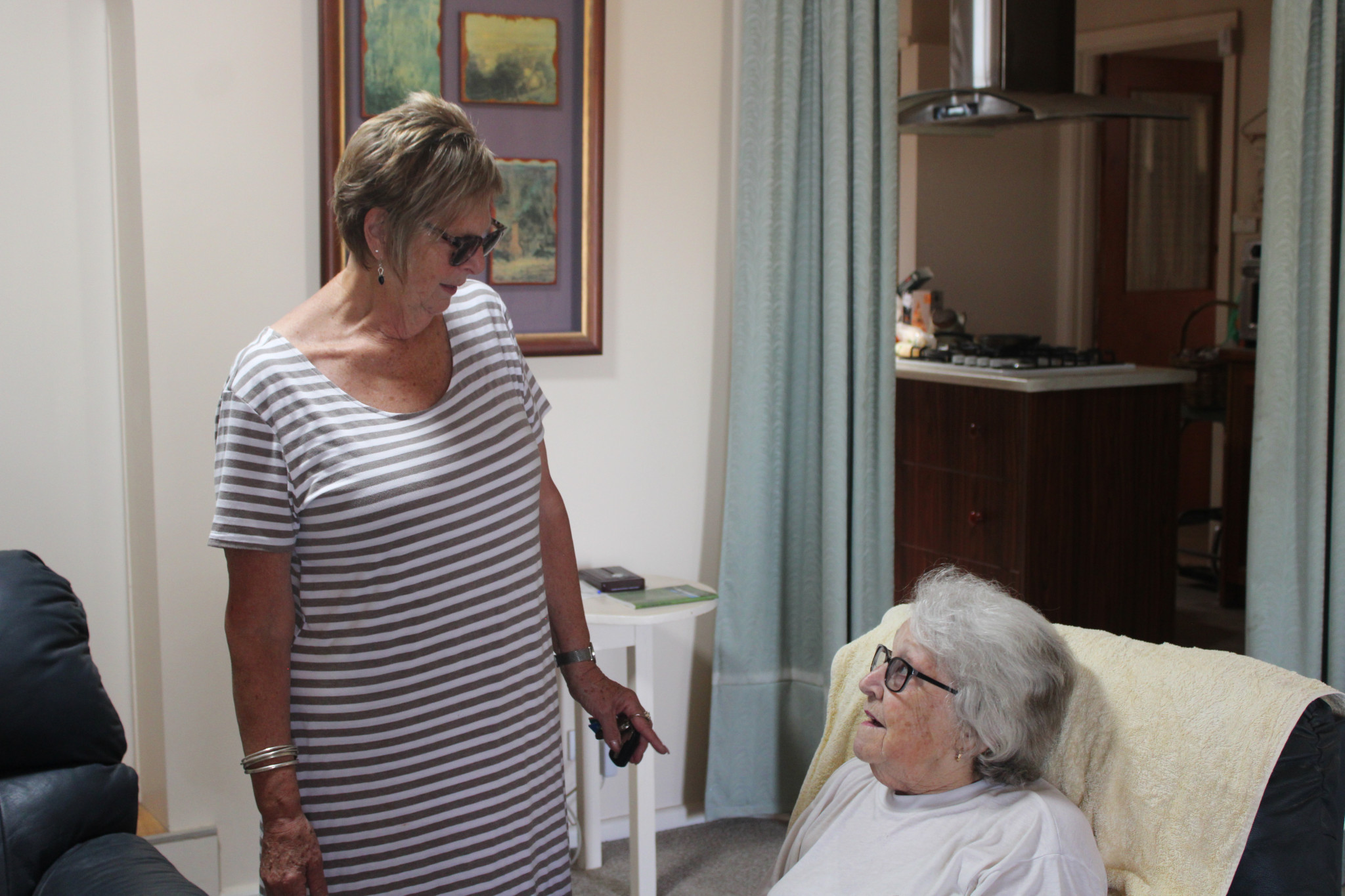
Being informed and prepared is one of the most effective ways to stay safe during severe heat.
Grampians Health says severe or extreme heat can cause potentially life-threatening conditions such as heat exhaustion and heatstroke, trigger sudden events like heart attack or stroke, and worsen existing medical conditions,
including kidney or lung disease and mental health conditions.
Everyone is at some risk during extreme heat, but some people are more vulnerable than others.
The word “HEAT” can help identify who may be at higher risk:
(LEANNE PLEASE DO THE WORDS IN BOLD WHERE MARKED)
H – Home and living conditions
People who live alone or isolated for other reasons, have limited access to cooling, or cannot easily
keep their home cool.
E – Environment People who work, exercise, or spend long periods outdoors. Some may also miss important safety
information due to language, technology, or experience other everyday barriers to being able to stay
safe
A – Age and underlying conditions
Babies and small children, older people, pregnant or breastfeeding individuals, and people with heart,
circulation, lung or kidney conditions, diabetes, or mental health conditions.
T – Taking certain medications
Some medicines, including those for mental health conditions or blood pressure, can increase dehydration or affect the body’s ability to function in high temperatures.
People taking these medications should speak with their health care provider about staying safe in the heat.
Simple actions can save lives during severe heat. The word “SAFE” is a helpful reminder:
S – Stay cool and drink plenty of water
Draping a cool, wet towel or cloth around your neck and shoulders can help keep your body
temperature normal.
A – Avoid being outside during the hottest part of the day
F – Phone family, friends, and neighbours
Checking in on others — especially those who may be isolated or new to the area — can be lifesaving.
E – Emergency information
Stay informed by listening to emergency broadcasters or using official emergency apps.
Everyone has a role to play when temperatures rise, and together we can make a real difference. No
one should face extreme heat alone.
For more information about the effects of heat on health, please visit the Extreme Heat Victorian
Better Health Channel.