General News
2 July, 2025
Rescue operation protects endangered animals
AS the 2024–25 bushfires tore through the Grampians (Gariwerd) National Park, destroying nearly 80 per cent of the landscape, emergency conservation efforts were launched to protect the region’s unique and endangered native animals.
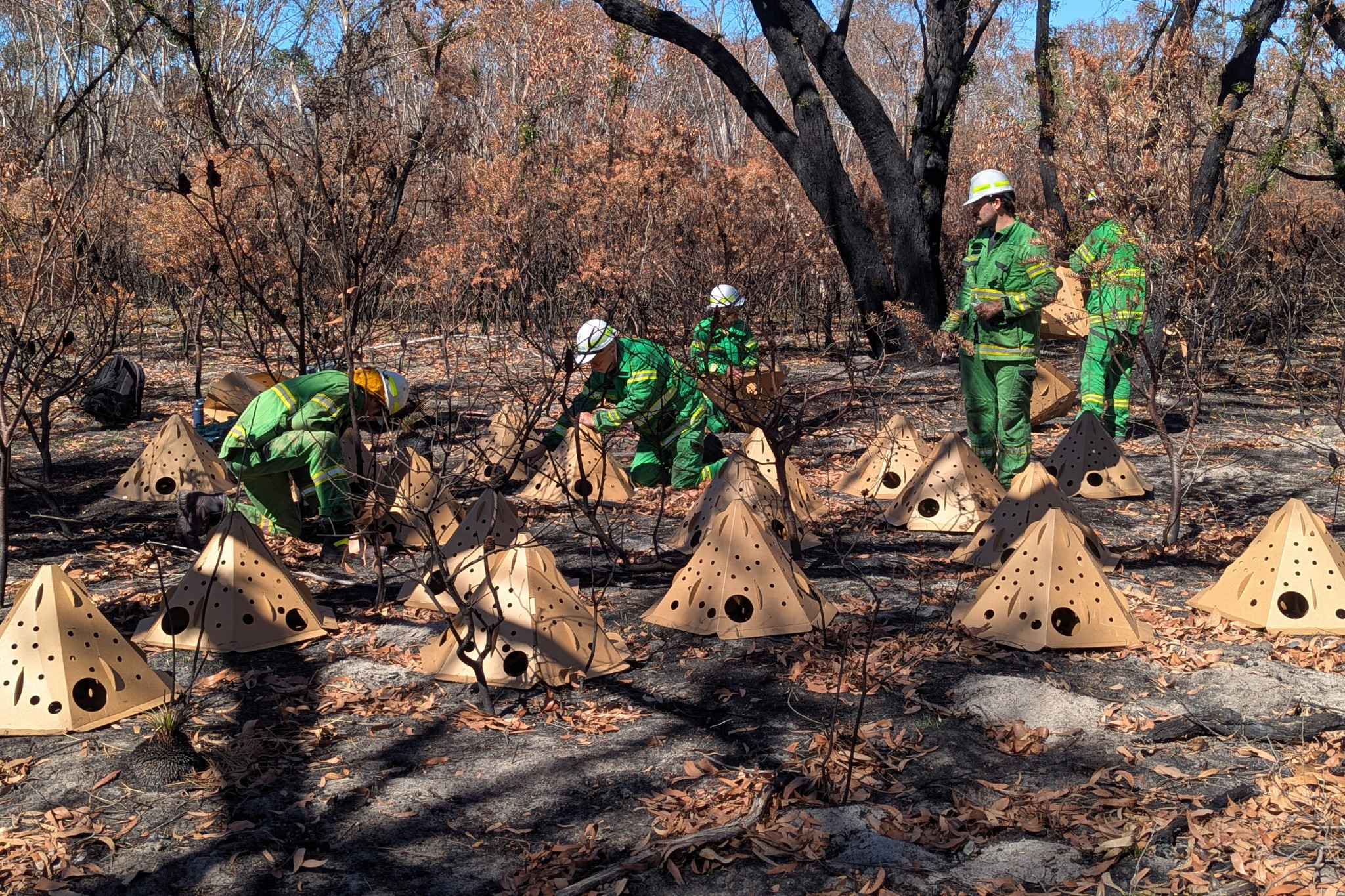
In response, more than 350 habitat pods were assembled by local volunteers and organisations, including Friends of the Grampians and Halls Gap Landcare earlier this year.
The pods provide temporary shelter from predators like foxes and feral cats while the native bushland recovers.
Joseph Terry, a member of the Grampians Ark project, which has protected native animals from foxes in the park since 2005, said camera monitoring has been key to tracking the animals' recovery.
“We installed 120 cameras to monitor the habitat pods and support the recovery effort,” Mr Terry said.
Key species of concern included the Long-nosed Potoroo, Southern-Brown Bandicoot, Heath Mouse and Smoky Mouse, small mammals whose habitats and food sources were destroyed by the fires.
Parks Victoria District Manager Mick Smith said that finding the surviving populations was critical.
“Since the bushfires, we’ve helped critically endangered species that call the Grampians home, we’re really pleased to see signs of recovery. In the days after the fires, we dropped food using drones and helicopters, hoping some populations had survived. We also ramped up efforts to remove feral animals that prey on native species,” Mr Smith said.
It didn’t take long before the cameras caught the results of their ongoing efforts.
“Our first camera image of a Long-nosed Potoroo after the fire was taken in March, marking a significant moment for celebration. Given their critical condition in the aftermath of the fire, it has taken months of dedicated effort to achieve this first positive sighting,” Mr Terry said.
The park is also home to one of the state’s most endangered species, the Brush-tailed Rock-wallaby, with fewer than 50 individuals estimated to remain in the wild in Victoria.
To support their survival, food drops began shortly after the fire, targeting known colony areas.
“Monitoring cameras have captured Brush-tailed Rock-wallabies eating and drinking at the feeding stations we set up, including three young and healthy joeys, which is fantastic news. We’ve also seen Potoroos and Smoky Mice. While there is a long way to go, the signs are good for the native species of the Grampians,” Mr Smith said.
While the road to recovery is long, the early signs of resilience from some of Victoria’s most endangered species offer a glimmer of hope.
